



What Is a Bathtub Enclosure? A Complete Beginner’s Guide
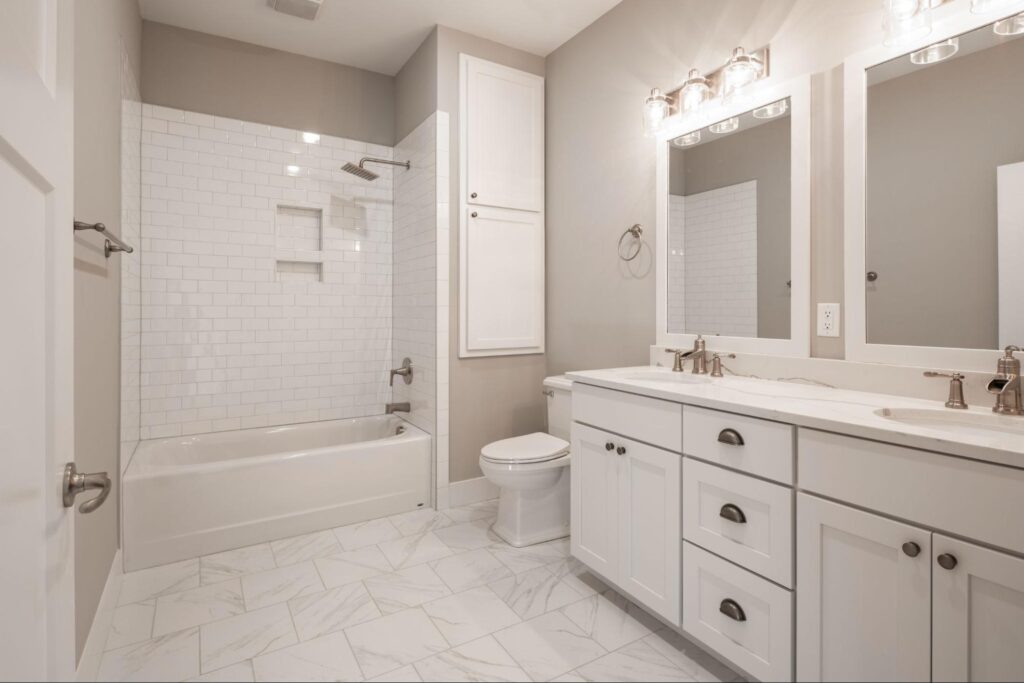
A bathtub enclosure is the set of waterproof wall panels that surround the three sides of your tub, keeping water away from the walls above and around it. Picture it as a protective shell: it stops moisture from reaching your drywall, framing, and insulation while giving the area a clean, finished look that’s easy to wipe down.
Maybe your current tub area is cracked, stained, or has grout that’s slowly falling apart. If so, knowing what an enclosure is and how it works will help you make better decisions before you start collecting remodeling quotes.
Key Takeaways
- A bathtub enclosure is the waterproof wall system surrounding the tub, not the tub itself.
- Acrylic enclosures resist mildew, cracking, and yellowing better than tile.
- Common types include one-piece, multi-piece panels, and tub surround kits.
- Most acrylic enclosures install in one to two days.
- Costs range widely based on material, size, and labor.
What Is a Bathtub Enclosure?
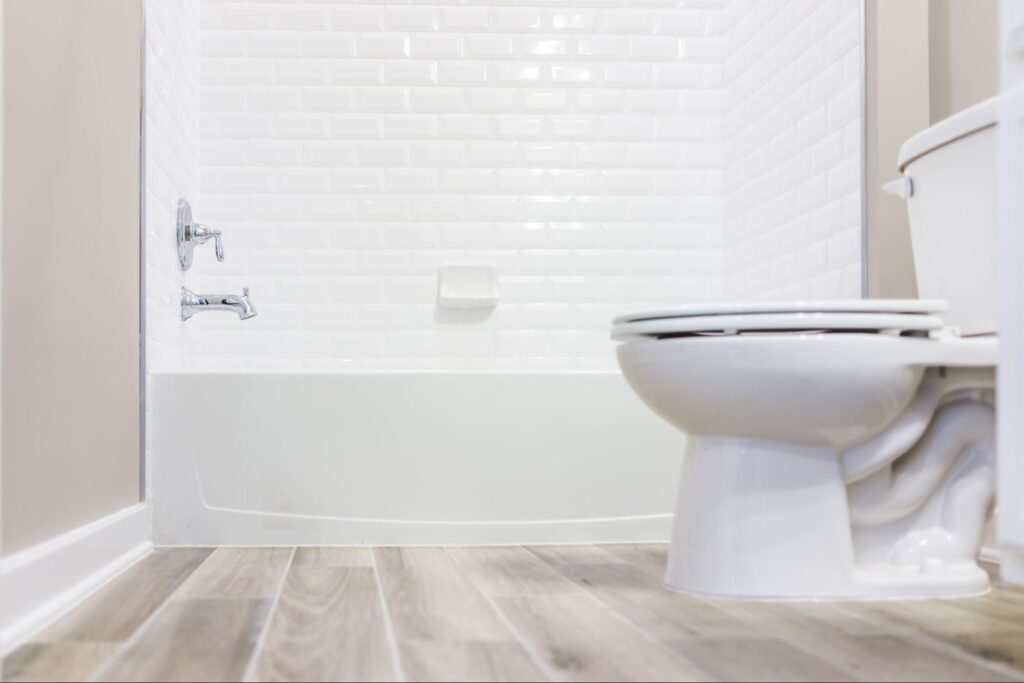
A bathtub enclosure is the wall or panel system covering the area directly above and around a bathtub, sealing that space against water. It’s a separate thing from the tub itself, which is just the basin that holds the water.
The enclosure has one main job: keep the wall cavity behind your tub safe from splashes, steam, and standing moisture. Skip it, and water finds its way into the drywall and wood framing, which means rot, mold, and repair bills down the road.
Bathtub Enclosure vs. Bathtub Surround: What’s the Difference?
People use “bathtub enclosure” and “bathtub surround” to mean the same thing more often than not, and that’s where the confusion starts. A bathtub surround usually points to the wall panels themselves, the flat sheets that line the three walls around your tub.
A bathtub enclosure, on the other hand, sometimes covers more ground, including those panels plus any glass doors or screens. In real-world remodeling conversations, though, homeowners and contractors swap the terms freely, so don’t sweat it if your quote uses one instead of the other.
Once glass doors come into play, you might also hear “glass enclosure” or “shower enclosure,” particularly with tub-shower combos. We’ll get into those differences next.
Types of Bathtub Enclosures
Enclosures break down into three basic setups: one-piece units, multi-piece wall panels, and tub surround kits. Which one fits you depends on your bathroom layout, whether it’s new construction or a remodel, and how easily the panels can get through your doorways.
| Type | Best For | Seams | Installation |
|---|---|---|---|
| One-piece enclosure | New construction, open walls | None | Hardest to fit; very leak-resistant |
| Multi-piece (3-piece) panels | Remodels, tight spaces | A few sealed seams | Moderate; fits through doorways |
| Tub surround kit | DIY and budget projects | Several seams | Easiest; homeowner-friendly |
One-Piece Tub Enclosures
A one-piece tub enclosure is molded as a single seamless unit. With no seams to seal, it gives you the strongest leak protection and the cleanest look you can get.
The catch is getting it inside. Because the unit is so large and rigid, it usually won’t fit through a finished doorway, which makes it best suited for new construction or major renovations where the walls are still open.
Multi-Piece Wall Panels & Surround Kits
Multi-piece panels, often sold as a three-piece set, are the practical choice for most remodels. The pieces fit through standard doorways and around existing fixtures, then seal together once they’re on-site.
A tub surround kit bundles these panels with the trim and hardware you need, which makes it a favorite among homeowners and DIY-minded contractors. American Bath Enterprises, Inc. builds acrylic shower walls and surround kits engineered for a tight, professional seal.
Acrylic vs. Tile Enclosures
Tile has a classic look, but it brings grout along with it, and grout is the weak link. Grout lines soak up water, stain without much effort, and need regular sealing and scrubbing to keep mildew at bay.
Acrylic enclosures skip the grout entirely. The non-porous surface wipes clean in minutes, fights off mold, and won’t crack or chip like tile does. The National Association of Realtors notes that a midrange bathroom remodel recovers roughly 50% of its cost at resale, so picking durable, low-maintenance materials helps protect what you put in.
Benefits of an Acrylic Bathtub Enclosure
Acrylic has become the go-to for modern tub enclosures because it answers the headaches tile creates. Here’s what you get:
- Low maintenance: No grout to scrub or reseal; just wipe and go.
- Durable: Resists cracking, chipping, and impact for years.
- Affordable: Costs less than tile installation in most cases.
- Fast installation: Many projects finish in one to two days.
- Made in the USA: American Bath Enterprises, Inc. manufactures with precision and quality control.
How Much Does a Bathtub Enclosure Cost?
What you’ll pay for an enclosure comes down to the material, the size of your tub area, and whether you bring in a pro. Tile sits at the top because the installation eats up so much labor, while acrylic kits tend to give you the best value.
| Enclosure Type | Material Cost | Installed Cost |
|---|---|---|
| Acrylic surround kit | $300 – $1,000 | $800 – $2,500 |
| Fiberglass enclosure | $250 – $800 | $700 – $2,000 |
| Tile enclosure | $600 – $2,500 | $2,000 – $4,500+ |
| One-piece acrylic unit | $700 – $1,500 | $1,500 – $3,500 |
According to The Spruce, professional tile installation labor typically ranges from about $4 to $15 per square foot, depending on the tile material, layout, and installation complexity. Combined with material costs, tile surrounds are often one of the more expensive bathtub enclosure options.
Bathtub Enclosure Installation: What to Expect
Installing an enclosure follows a clear order. A specialist starts by pulling out the old surround and checking the wall behind it for any moisture damage.
Then comes the prep: leveling the studs and attaching moisture-resistant backer board. The panels get measured next, cut to fit around the tub, faucet, and any windows, and pressed into place with adhesive.
Sealing wraps it up. Every seam and edge gets caulked to create that waterproof barrier. A professional install usually runs one to two days, while a confident DIYer working with a tub surround kit might spend a weekend on it. For a result that won’t leak, most homeowners go with a professional through a specialist.
Tub Enclosure Ideas & Choosing the Right One
As you browse tub enclosure ideas, start with the look you’re after. Acrylic comes in solid colors, stone and tile-look patterns, and subway styles, so you can land that high-end appearance without dealing with grout.
Don’t forget about function. If aging in place is on your mind, ask about ADA-compliant systems with built-in grab bars, low thresholds, or a walk-in tub conversion. For a tub-shower combo, pairing your surround with a glass enclosure or sliding glass doors gives you that clean, modern shower enclosure feel.
Schedule a Free Consultation with American Bath Enterprises, Inc.
Picking the right bathtub enclosure doesn’t have to be a headache. American Bath Enterprises, Inc. manufactures durable, low-maintenance acrylic bathtub enclosures in the USA and helps homeowners match the right style, size, and accessories to their space.
Ready to replace that outdated or damaged tub area? Schedule your free consultation today and let our bathroom remodeling experts guide you to the perfect bathtub enclosure for your home.
Frequently Asked Questions
Are acrylic tub surrounds good quality?
Yes, high-quality acrylic tub surrounds are durable, non-porous, and resist cracking, staining, and mildew. They require far less maintenance than tile because there is no grout to clean or reseal. A professionally installed bathtub surround can last 15 years or more with simple care.
Can I install a bathtub enclosure over existing tile?
In many cases, yes. Acrylic surround panels can be installed over sound, flat existing tile, which reduces demolition time and cost. An installer will inspect the wall first to confirm it is solid and free of moisture damage before fitting the new panels.
How long does a bathtub enclosure installation take?
Professional installation of an acrylic bathtub enclosure usually takes one to two days. The timeline depends on wall condition, plumbing adjustments, and any added accessories. DIY tub surround kits may take a full weekend for a homeowner.
Is acrylic or tile better for a bathtub enclosure?
Acrylic is the better choice for most homeowners who want low maintenance and durability. It has no grout to scrub, resists mold and stains, and costs less to install than tile. Tile offers a custom look but requires ongoing sealing and cleaning to prevent leaks.