



How to Install a Shower Pan
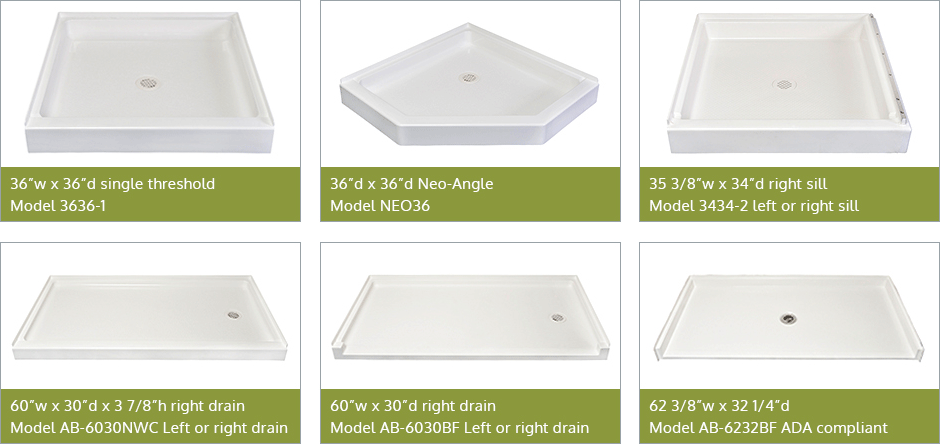
A shower pan is the foundation of every properly built shower. It is responsible for collecting water and directing it safely into the drain while protecting the subfloor and surrounding structure from leaks.
When installed correctly, a shower pan creates a durable, waterproof base that can last for decades. When installed incorrectly, however, it can lead to costly water damage, mold growth, and premature bathroom renovations.
While many homeowners search for instructions on how to install a shower pan, the reality is that this process requires precision, experience, and specialized materials. Even a small mistake can compromise the entire shower system.
Understanding the process highlights why many homeowners ultimately choose professional installation for long-term reliability.
What Is a Shower Pan?
What Is a Shower Pan?
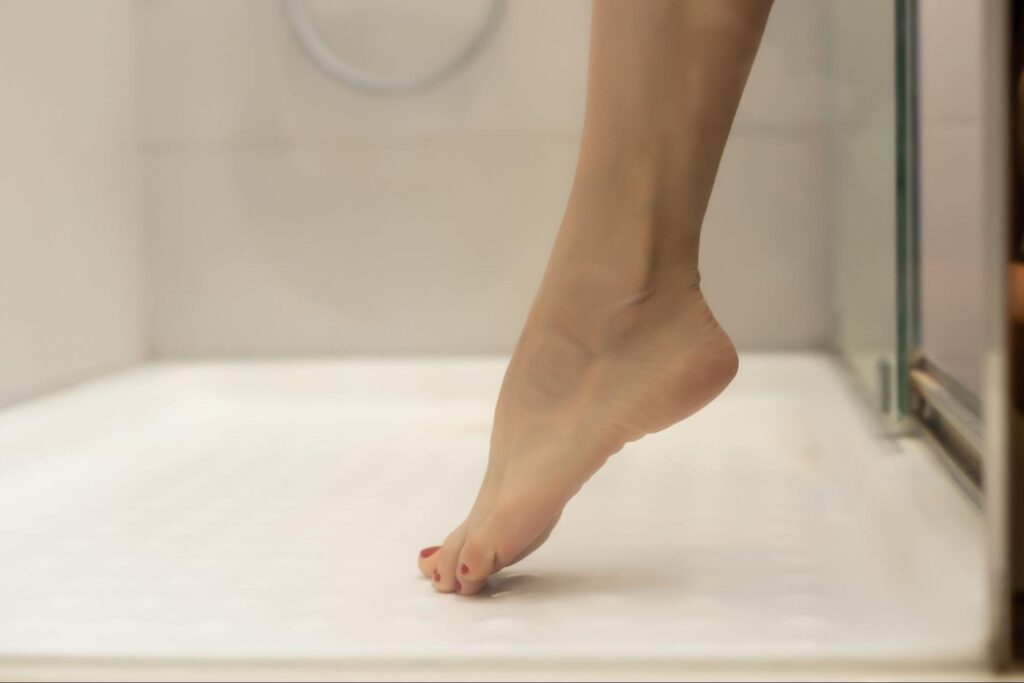
A shower pan is the waterproof base installed at the bottom of a shower enclosure. It sits beneath the tile or finished surface and is designed to direct water toward the drain while preventing moisture from penetrating the surrounding structure.
Modern shower pans can be made from materials such as acrylic, fiberglass, or composite materials. Pre-formed pans simplify installation compared to traditional mortar bases while still providing a strong, reliable foundation for the shower floor.
Because the shower pan handles constant water exposure, it must be installed precisely to ensure proper drainage and waterproofing.
Why Proper Shower Pan Installation Matters
Water is relentless. Even a tiny gap in the shower system can allow moisture to seep beneath tile or behind walls. Over time, this can damage flooring, rot wood framing, and create the perfect environment for mold.
A properly installed shower pan ensures:
- Water flows directly to the drain
- Waterproof barriers protect the surrounding structure
- The shower floor remains stable and level
- Long-term leaks are prevented
One of the most critical factors is slope. A shower base must slope toward the drain so water flows naturally rather than pooling in low spots. Even a slight error in slope can cause standing water and long-term damage.
The Basic Steps of Installing a Shower Pan
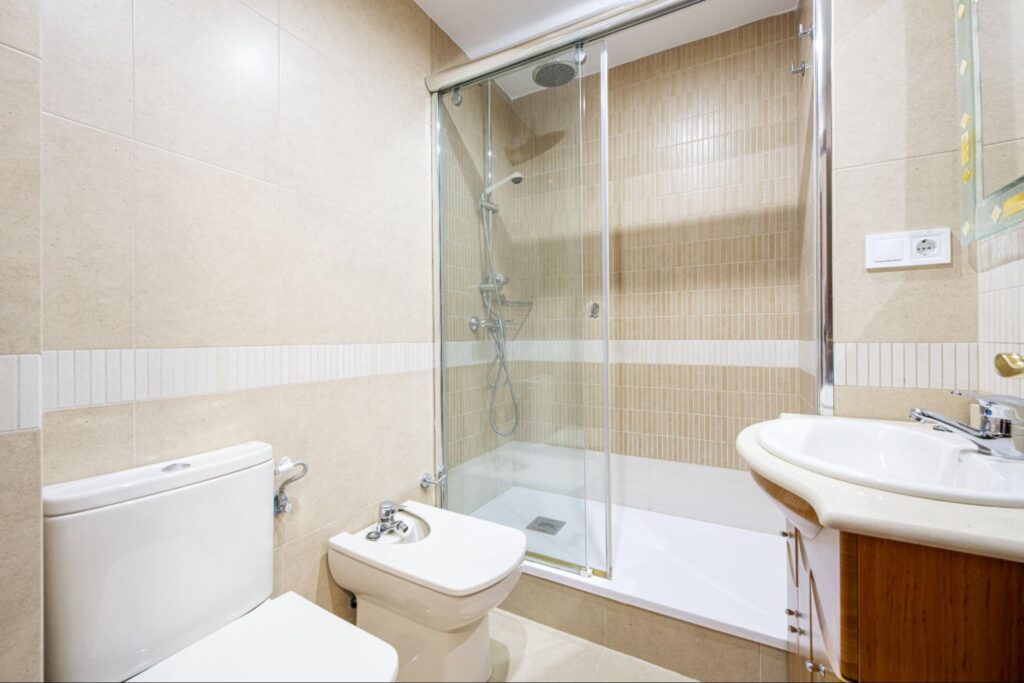
Although specific installation steps vary depending on the type of shower pan used, the process typically involves several key stages.
Preparing the Subfloor
Before installation begins, the subfloor must be clean, level, and structurally sound. Any debris, old adhesives, or damaged materials must be removed.
If the base is uneven, adjustments must be made to ensure the pan sits perfectly flat. Improper preparation can lead to instability or cracking over time.
Installing the Drain Assembly
The drain system connects the shower pan to your home’s plumbing. The drain flange must align precisely with the pan opening and create a watertight seal.
This typically involves installing a compression drain, solvent-weld drain, or clamping drain depending on the pan and plumbing configuration. Proper sealing with silicone or plumber’s putty is essential to prevent leaks.
Creating the Mortar Bed or Support Base
Many shower pans require a mortar or support bed beneath them to provide stability and eliminate flexing.
The mortar bed also helps ensure the correct slope toward the drain. A properly sloped base is critical because water must naturally flow toward the drain rather than collecting in low areas.
Once the mortar bed is applied, it must be leveled and allowed to cure before the pan is installed.
Setting the Shower Pan
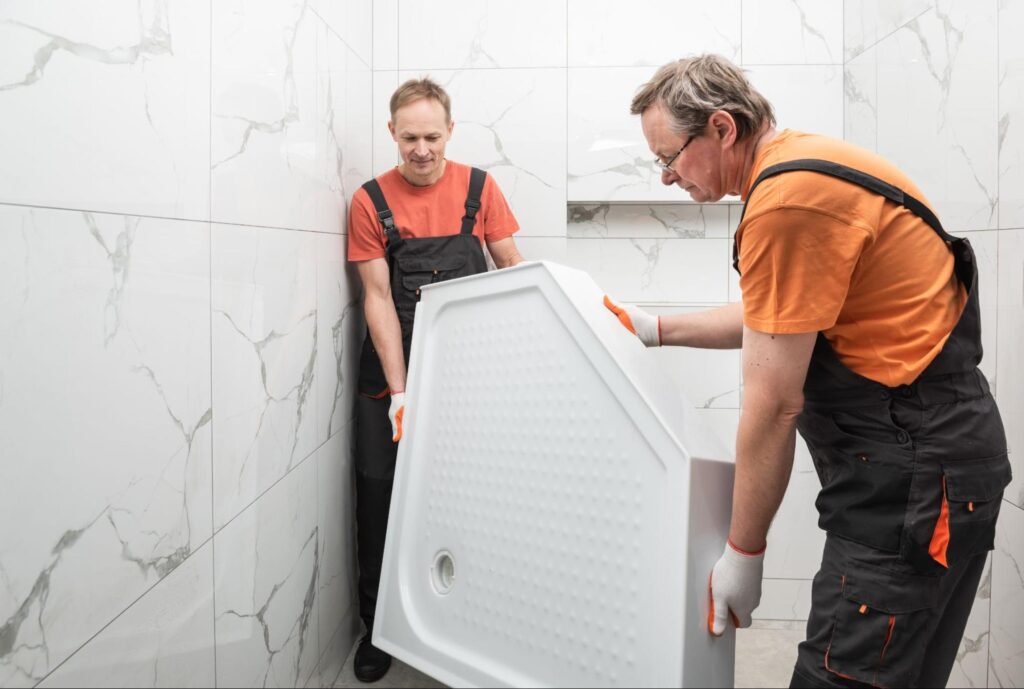
The shower pan is carefully lowered into position over the drain and mortar base.
At this stage, installers must confirm:
- The pan is perfectly level
- The drain opening aligns with the plumbing
- The pan is securely supported by the mortar bed
The pan is then fastened to the wall studs or framing according to manufacturer guidelines.
Waterproofing the Shower Base
Waterproofing is one of the most important parts of the process. This typically includes installing waterproof membranes or liners that extend up the walls of the shower enclosure.
These barriers prevent water from penetrating behind the shower walls and ensure that moisture flows safely into the drain system.
Testing for Leaks
Before installing tile or wall panels, the system should be tested for leaks.
A flood test is often performed by filling the base with water and checking for drops in water level or moisture around the base. This ensures the waterproofing and drain connections are functioning correctly.
Only after this test is complete should finishing materials be installed.
Common Shower Pan Installation Mistakes
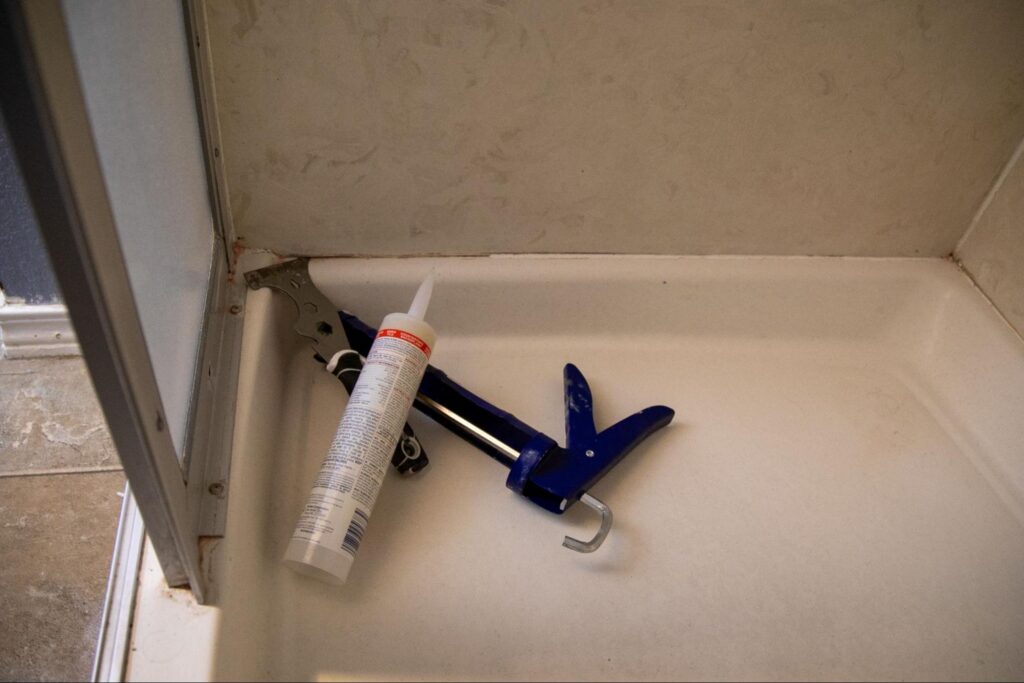
Shower pan installation may look straightforward, but several common mistakes can lead to serious problems later.
Incorrect Drain Alignment
If the drain opening is even slightly misaligned, it can create gaps that allow water to leak beneath the pan.
Improper Slope
Without the proper slope toward the drain, water will pool on the shower floor. Over time, this can cause mold growth, tile damage, and structural issues.
Poor Waterproofing
If waterproof membranes are not installed correctly or do not extend high enough on the walls, water can escape behind the shower enclosure.
Insufficient Pan Support
A shower pan must be supported evenly underneath. Without a mortar bed or proper support system, the pan may flex under weight, eventually causing cracks or leaks.
Why Professional Installation Is Often the Best Choice
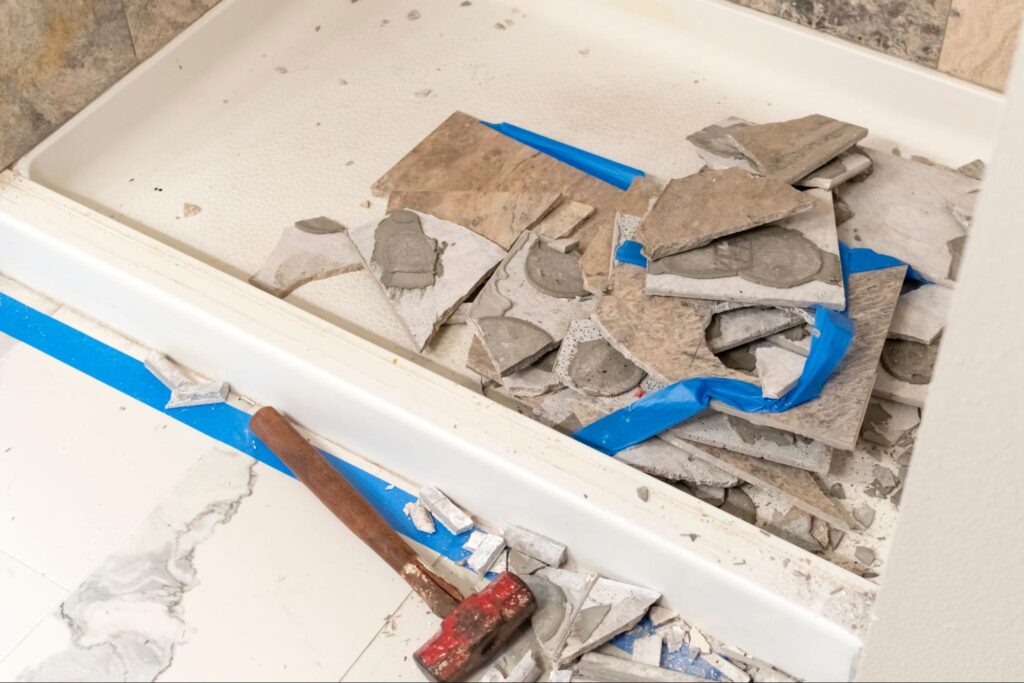
While many DIY guides exist, installing a shower pan correctly requires a combination of plumbing knowledge, structural preparation, waterproofing expertise, and careful leveling.
Professional installers understand how each component of the shower system works together. They know how to properly prepare the subfloor, install the drain, create the correct slope, and apply waterproofing systems that meet building standards.
Working with experienced professionals also helps ensure:
- Proper code compliance
- Long-term waterproof protection
- Correct drain installation
- Reliable structural support
- A finished shower that performs as intended
Because the shower pan sits at the lowest point of the entire system, mistakes made during installation are often difficult and expensive to repair later.
Choosing the Right Shower Pan
Selecting a high-quality shower pan is just as important as proper installation. Durable materials, precision manufacturing, and reliable drainage design all contribute to the performance and longevity of your shower.
Pre-formed shower pans offer consistent slope, integrated drainage alignment, and durable construction that simplifies installation while improving reliability.
Professional Shower Pan Installation From American Bath Enterprises, Inc.
A shower pan is not just another bathroom component. It is the foundation of the entire shower system. When installed correctly, it protects your home from water damage and ensures years of dependable performance.
At American Bath Enterprises, Inc., we provide high-quality shower pans designed for durability, performance, and long-term reliability. Our team understands the importance of proper installation and works with homeowners and contractors to ensure every shower system is built to last.
If you’re planning a bathroom upgrade or new shower installation, explore our shower pan options and speak with our team about the best solution for your project.
Learn more about our shower pans and professional shower pan installation today by calling (888) 228-4925 or contacting us online.